Composting 101: Turning Kitchen Waste into Garden Gold
Have you ever pondered the colossal amount of food waste we generate globally? It's quite overwhelming, indeed. However, amidst this concern, there emerges a practical approach, albeit not a complete solution – composting.
It's important to clarify: composting alone isn't the answer to the food waste problem; it's a method to mitigate it. While it's essential to strive towards minimizing food waste at the source, for the waste that's inevitable, composting offers a viable route. By transforming our kitchen waste into compost, we're not just trimming down waste; we're engaging in a process that rejuvenates the soil. It's a meaningful step, albeit part of a larger solution, in addressing a global challenge. Intriguing, isn't it?
Understanding Compost: Nature’s Own Recycling System
So, what exactly is compost? Picture this: a mix of your veggie peels, coffee grounds, and garden clippings, all transforming into this rich, earthy substance. It's like magic, but it's actually science! Compost is decomposed organic material, and it's super important for keeping our soil fertile and rich.
Different Ways to Compost: Find Your Style
Composting can be as unique as you are! There are a few methods out there:
Aerobic Composting: This is like a mini workout for your compost. You mix and turn it to get some air in there, which speeds up the process.
Anaerobic Composting: Just pile it up and forget it. It takes longer and might be a bit smelly, but it works.
Vermicomposting: Worms! Yes, these little guys can turn your scraps into super compost. They're efficient and kinda cool.
How to Compost Without a Fuss
Mix It Up Thoughtfully: To start your composting journey, gather both your kitchen and yard waste. It's crucial to maintain a balance between 'brown' and 'green' materials. Browns are carbon-rich materials like dried leaves, branches, or paper, while greens are nitrogen-rich materials such as vegetable scraps and grass clippings. The trick is not to separate them, but to mix them together. A good rule of thumb is to aim for about equal parts of browns and greens. This mix ensures proper decomposition without attracting pests or creating odor. So, go ahead, blend them in your compost bin or pile, and let the magic of composting begin!
Keep It Moist: Not too wet, not too dry. It’s like caring for a houseplant.
Give It a Turn: Every now and then, give your compost a good stir. It loves a bit of oxygen.
What Can You Compost?
Alright, let's talk about the good stuff – what can you actually toss into your compost bin? It's like a special diet for your compost pile. The key is to balance 'greens' (which are nitrogen-rich) and 'browns' (which are carbon-rich). Here's a quick guide:
Green Light for 'Greens':
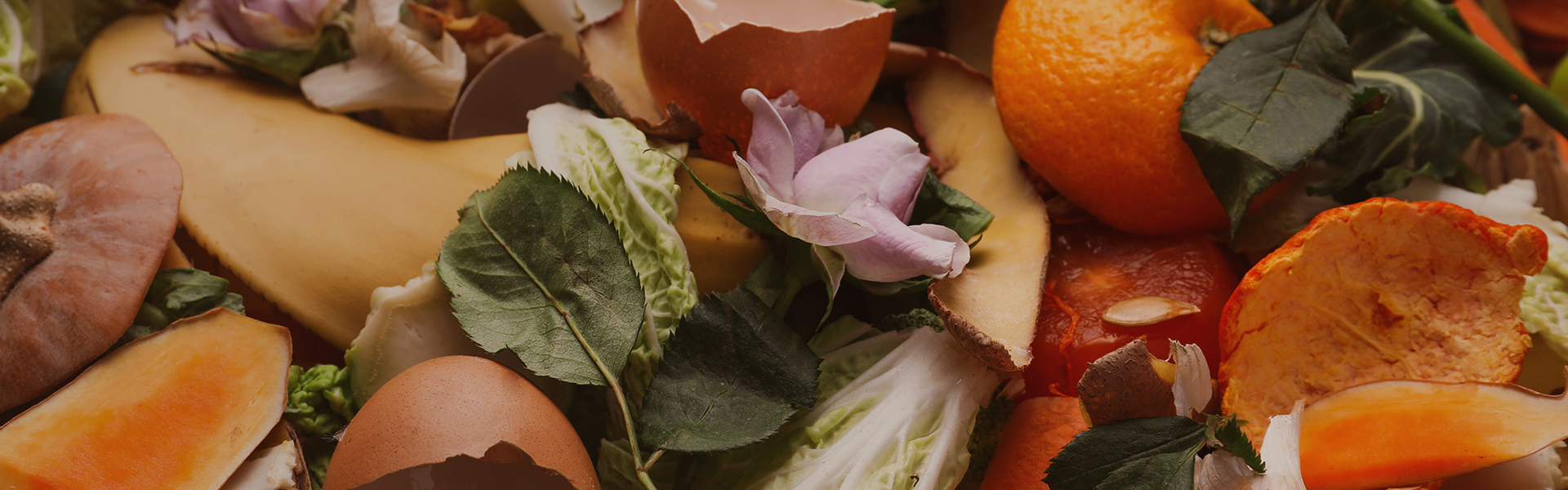
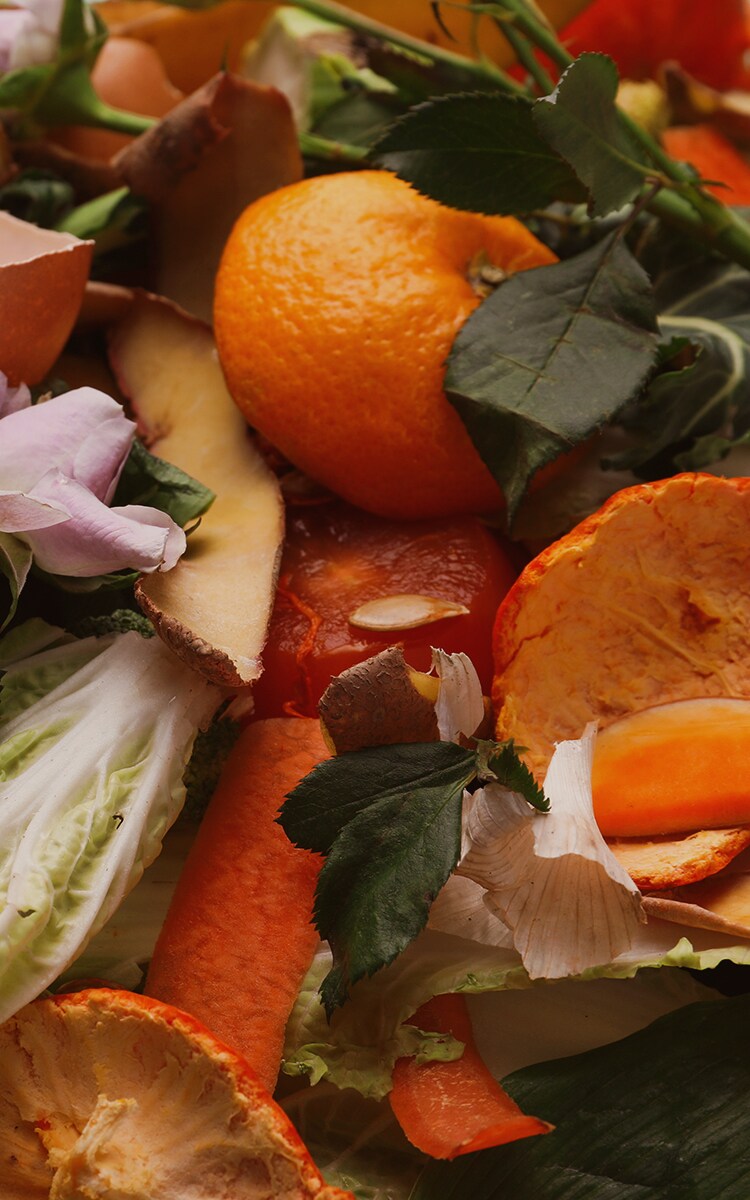
Veggie Scraps: Those carrot peels and lettuce leaves? Perfect.
Fruit Peels and Cores: Apple cores, banana peels, you name it.
Coffee Grounds: Yes, your compost loves a caffeine kick too!
Tea Bags: Just make sure they're the paper kind.
Eggshells: Crush them up and in they go.
Brownie Points for 'Browns':
Leaves: Fallen leaves from your yard are like gold here.
Straw or Hay: If you've got it, compost it.
Sawdust and Wood Chips: Great for balance, but make sure they're not from treated wood.
Cardboard and Paper: Shred it up first, and avoid glossy or printed material.
Dryer Lint: Yes, even this can be composted if it's from natural fibers!
What's a No-Go for Compost:
Meat and Fish Scraps: They can attract pests and create a stink.
Dairy Products: Same problem as meat – pests and smell.
Fats and Oils: These can slow down the composting process and attract unwanted critters.
Pet Waste: Avoid this for health reasons – it can contain harmful pathogens.
Diseased Plants: They might spread the disease back into your garden.
Special Mention:
Yard Waste: Grass clippings are great, but avoid anything treated with pesticides.
Cooked Food Scraps: Better to avoid these, as they can attract pests and don't break down as well.
Using Your Compost: Once your compost is ready (it looks and feels like dark, crumbly soil), it's time to give back to Mother Nature. Mix it into your garden soil, use it as much, or as a part of your potting mix. Your plants will thank you for this nutritious treat!
To Bin or Not to Bin
You don’t need a fancy bin to start composting, but it does help keep things tidy and efficient. You can DIY one or get a ready-made bin. Either way, your compost will love its home.
Not Into DIY? No Problem!
If making compost at home isn’t your thing, check out local composting services. Some places offer pick-up or drop-off options. It’s a great way to contribute without getting your hands dirty.
So, there you have it! Composting is more than just dealing with waste; it’s about creating a sustainable cycle that benefits our earth. It’s easy, rewarding, and, let’s face it, pretty cool. Let’s turn our scraps into garden treasures and do our bit for the planet!
Share
