

Cut The Food Waste
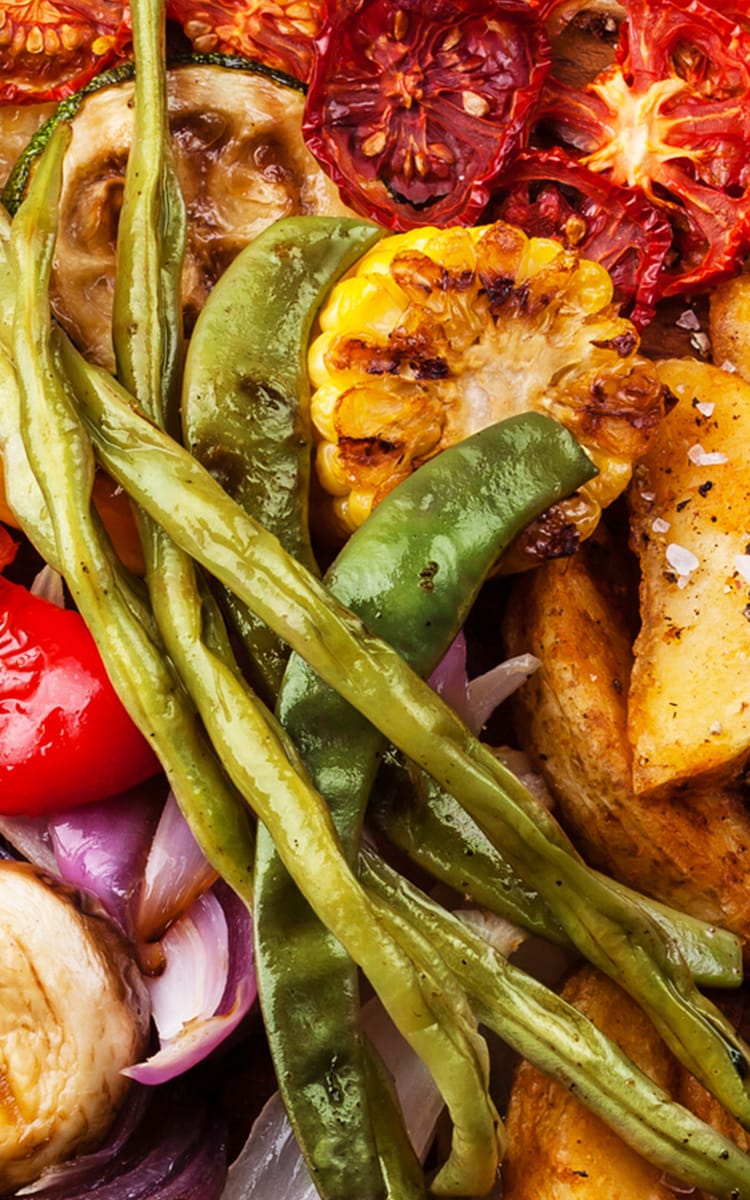

Cut the food waste, one step at a time!
Wasting food has unfortunately become a habit for many people around the globe; whether it's buying too much food at the market, allowing fruits and vegetables to go bad at home or taking larger portions than we can actually eat.
These habits not only put extra strain on our natural resources, but they also damage our environment. When we waste food, we're also wasting the labor, effort and investment that went into producing it (like water, seeds, feed, etc.), not to mention the resources used for transporting and processing it. In other words, wasting food increases greenhouse gas emissions and contributes to climate change. That's why we're going to give you 5 pro tips to prevent food waste in the kitchen.
1. Get creative in the kitchen and find ways to use all the food you bring home.
With a little thought, you can use everything you have on hand. That could mean sautéing the beet greens as a nutritious side dish for dinner (sesame seeds really take them to the next level). Or maybe it’s finding a complementary recipe to use up the sourdough bread that you baked. Whatever you have on hand, you can likely find a way to use it up through.
2. Introduce mindfulness into your shopping routine to save food in your home.
This mind-set change includes being intentional about your purchases and meal planning. To start, consider what meals you will be making for the week, how many people need to be fed, and what kind of leftovers you’d like. Then, check on what you’ve currently got in your freezer, pantry, and fridge to see what you can use up. This will minimize your time in the store.
3. Become a food storage pro and extend the life of your groceries!
Did you know that celery lasts longest when stored upright in a glass of water on a fridge shelf? Or that bananas should not be stored next to other fruits on the counter, and that once ripe, they should be moved to the fridge? Proper storage of food can help reduce spoilage and waste. Learn more tips and tricks for storing your food properly so it lasts longer and stays fresh! Also, you can choose our refrigerator. Designed to keep food fresh, Grundig refrigerators are equipped with AeroFresh technology that minimises temperature fluctuations inside the fridge to preserve food for longer.
4. Choose ugly fruit and vegetables
Who says food has to look perfect? Oddly-shaped or bruised fruits and vegetables are often thrown away because they don’t meet arbitrary cosmetic standards. But they taste just as good! Use mature fruit for smoothies, juices and desserts.
5. It's important to understand the difference between "best before" and "use-by" dates when it comes to food.
Just because a food's "best before" date has passed doesn't mean it's not safe to eat, but the "use-by" date is the one that tells you when it's no longer safe. Be sure to check food labels for unhealthy ingredients such as trans fats and preservatives, and avoid foods with added sugar or salt.

What are the most important rules of cooking?
Read the recipe and use the proper cookware. Know what your recipes need, choose the best ingredient. Clean as you go in the kitchen. And avoid food waste.

Are there do and don'ts in the kitchen?
· Do learn how to use knives. Don't use the same cutting board for raw meat, fruits and vegetables.
· Do wash your hands. Don't go barefoot.
· Do know how to put out a fire. Don't wear floppy sleeves.
· Do mind your pans. Don't set a hot glass dish on a wet or cold surface.

How to respect food?
Food is one of the most basic necessities of life, and yet it is often taken for granted. Too often, food is wasted without a thought for the people who go hungry every day. It is important to remember that food is a precious resource, and to respect it accordingly.
One way to respect food is to avoid wasting it. It is estimated that a third of all food produced globally is wasted each year. Respecting food also means being mindful of where it comes from. Take the time to learn about the different ways food is produced, and make an effort to support sustainable and ethical practices.
Share
